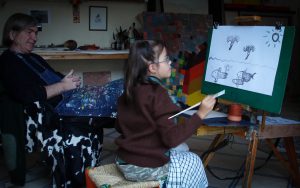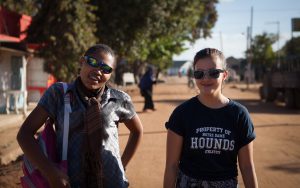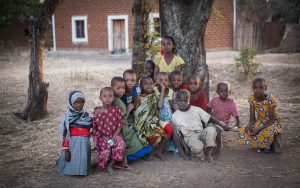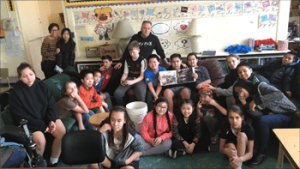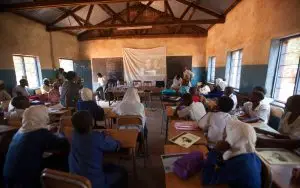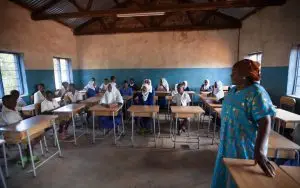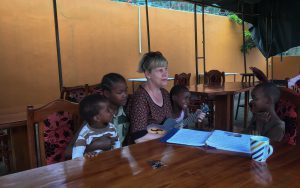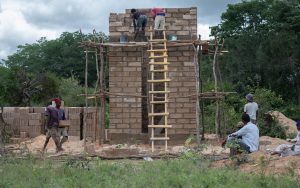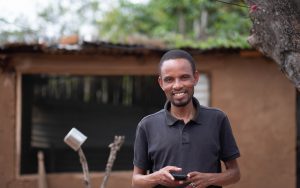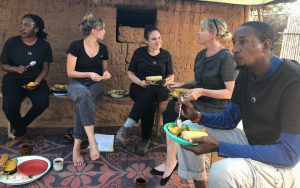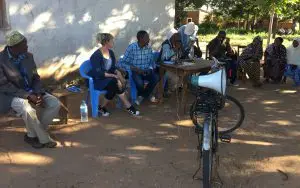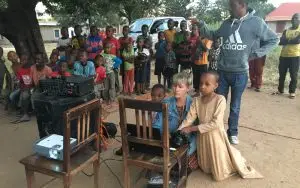
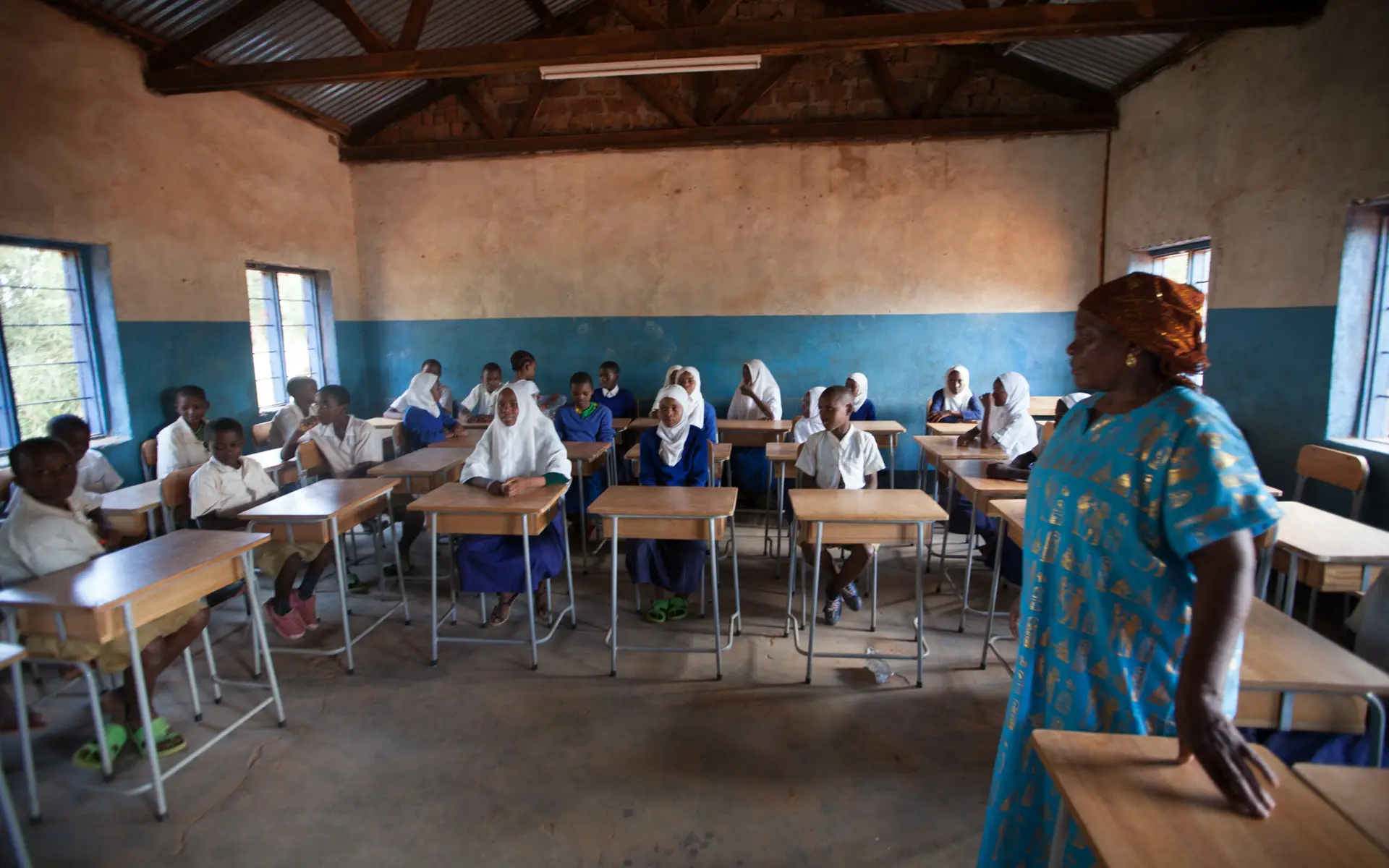
Over the next week Moshi, Evelyn, Habiba, Baraka, and I went back and forth to Iyoli and helped to film the interviews with the kids in the storytelling club.
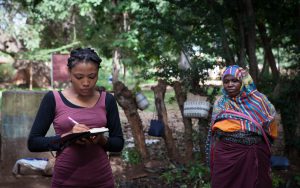
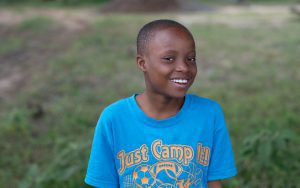
The students were shy at first, but Evelyn flexed her journalism muscles and helped to make them relaxed and silly. At one point, she asked me to leave because my presence made it more formal, but when it was just them and Evelyn, they were funny and more authentic. At the end of each day, she came to the hotel, and we would translate the interviews into English.
Issa was around while we were translating, and he was well aware of how much I loved coffee and how much I hated Nescafe, so he would constantly fill my tiny cup with the big thermos filled with Tanzanian coffee that he had brought from Kondoa town.
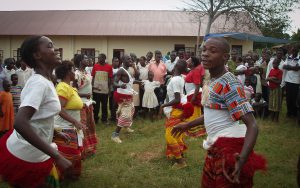
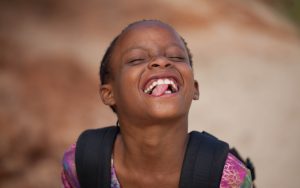
After they finished their interviews, the kids would break out into song, and I’d join them in my own silly way to try to make them all laugh. By the end of the week, we were all more comfortable around each other. Each interview made the kids more and more excited to be asked questions, and when they saw the videos of themselves being played back, they erupted into even more laughter. Everyone was having fun.
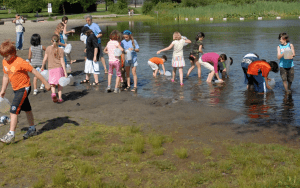
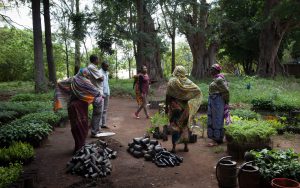
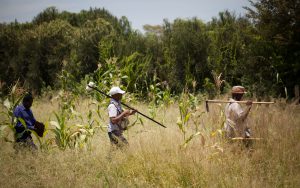
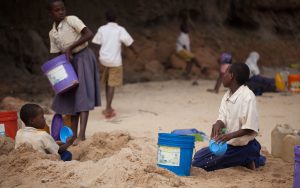
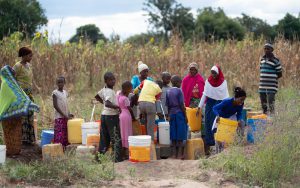
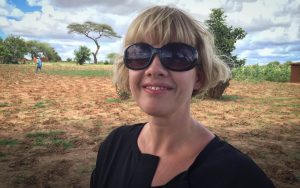
On the last day of filming, we went with the kids to collect water from a river bed. The red dust of Tanzania had settled onto my skin, and my hair was half-braided and full of sand because Baraka only had the chance to finish one side, but I owned the look.
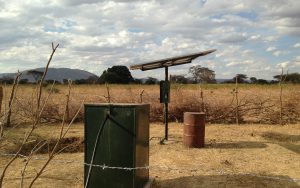
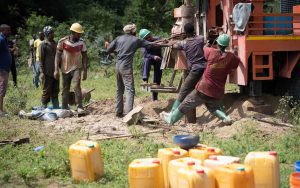
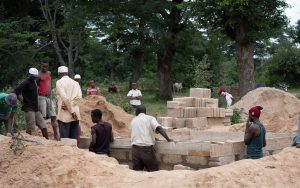
The river had dried up, and families, mostly women and girls—but boys and men too—had to dig holes to reach the underground water. As the dry season went on, the holes became deeper and deeper until there was no more water left to find. Then they had to walk farther to the larger Bubu river. When things got really bad, some families had to spend up to eight hours a day collecting water.
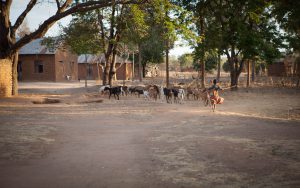
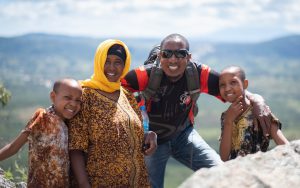
Many people have strong opinions about foreign aid and what should or shouldn’t be done, but when you stand together with kids, and mothers, and fathers and cows and goats, it’s not about politics and academia and theories, it’s about friends and their survival. At the end of the day, these kids were just like any other kids in the world. They were playful, curious, and at times even a bit naughty. And if you took a step back and thought about the big picture, so many of the hardships that people on the other side of the world face were directly caused by changes in the climate driven by people in the West. So, really, we shouldn’t have any strong opinions one way or another about lending foreign aid when appropriate. We should just do it when we’re able.
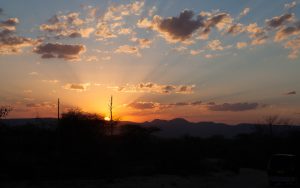
One the way home, it finally started to rain. The dust settled and I could smell the fresh, clean air, and it reminded me just how important this was to Iyoli village.