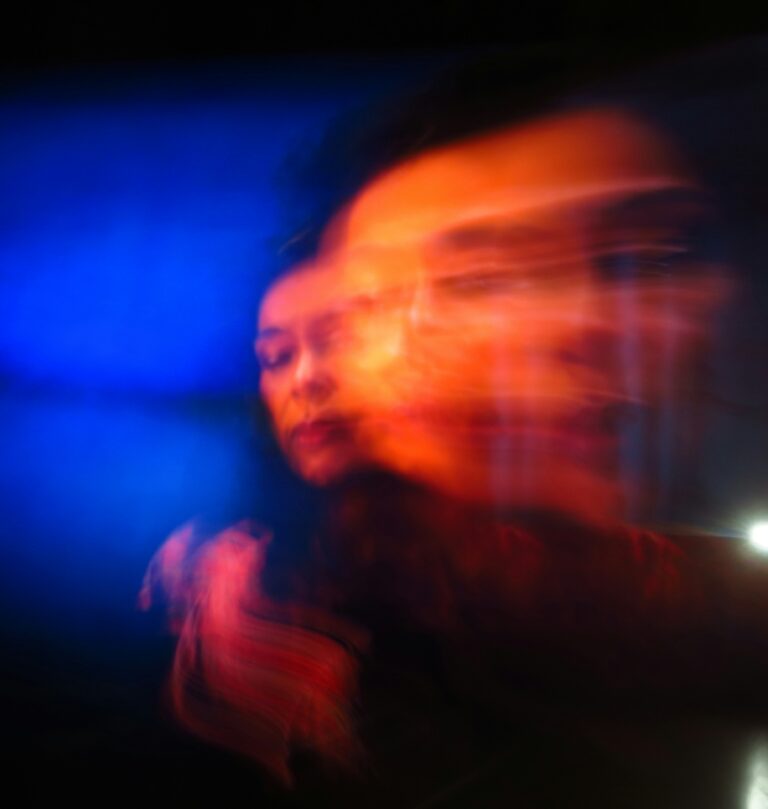
That’s what the last few years in design and on the web have felt like. The tools changed, the platforms changed, and now AI has changed the relationship between making something and knowing whether it’s actually any good.
For most of my career, I had a strong sense of what excellence looked like. I could look at a website and feel when the design was right, when something had been considered, refined, pushed a little further. I had references, designers and studios whose work I admired, and years of experience that gave me a kind of internal compass. I trusted it.
Lately, I’ve been questioning it. Not because I think everything I learned before is irrelevant, quite the opposite, I think a lot of those skills are becoming more important. But the environment around them has changed so fast that I’m having to rethink what I actually mean by good work.
Falling backwards
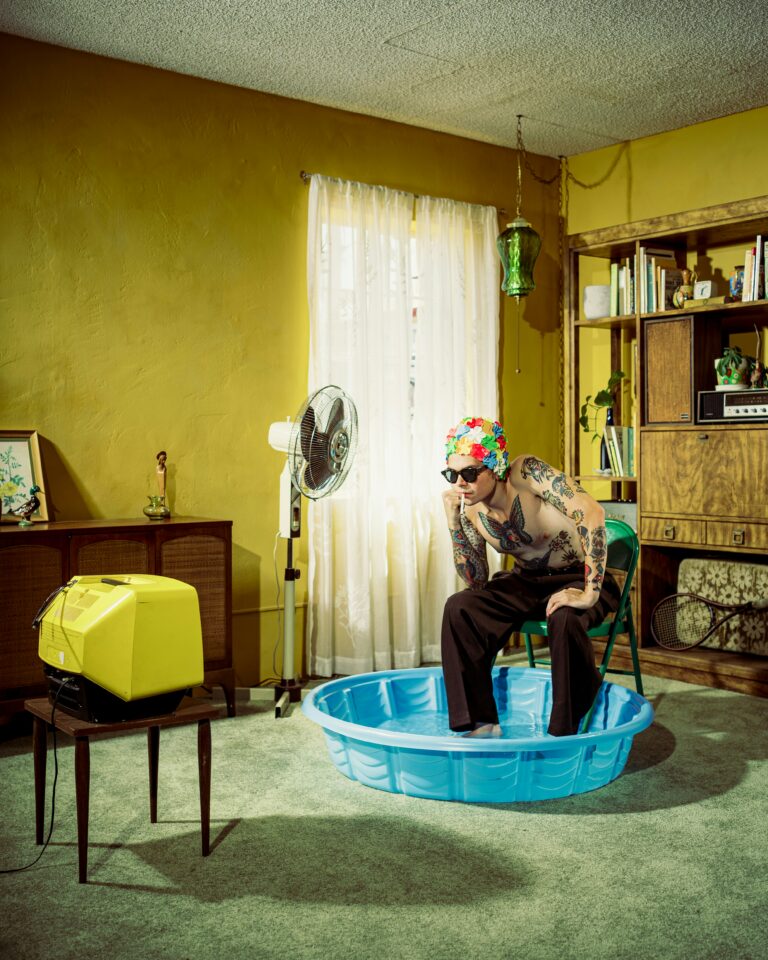
There’s something about falling backwards that requires a different kind of trust. You can’t see where you’re going to land, so you have to let go of the instinct to control every part of the movement and trust you’ll figure something out on the way down. That feels familiar right now.
AI can make something polished in seconds. It can give you twenty directions before you’ve decided which one you actually want. It can build a website, write the copy, generate the images, and produce something that looks remarkably finished at first glance.
But looking finished and being good are not the same thing. That distinction is becoming one of the most interesting problems in creative work. When almost anything can be produced, the hard part is no longer making something. It’s knowing what deserves to exist, and then knowing what to do with it.
Excellence is becoming less about making
This is where I keep coming back to taste. Not taste as in knowing what’s fashionable, or having the right references saved somewhere. I mean the ability to look at two versions of something and recognize that one has what the other doesn’t: knowing when something belongs, when an idea needs pushing further, when it needs simplifying, when you’ve already gone too far.
Sometimes I can explain exactly why I’m making a particular call. Sometimes I can’t. After twenty years of this, I’ve learned that not being able to articulate an instinct immediately doesn’t mean the instinct is wrong. Experience leaves things in you. You see enough work, make enough mistakes, pay attention for long enough, and some of that knowledge becomes almost physical. You feel when something is off before you can explain what’s bothering you. That’s not a skill I want to lose.
Craft still matters
If anything, craft matters more now. When production gets easier, the decisions become more visible: the space between things, the way type sits on a page, the rhythm of a sentence, the pacing of an interaction, the small detail that makes something feel considered instead of assembled.
Most people won’t consciously notice any of that. They don’t need to, that’s part of what makes craft work. When it’s right, you don’t see the individual decisions, you just get the feeling that something works. And you feel it when it doesn’t. That’s true in design, and it’s true in music, writing, photography, architecture, cooking, anywhere a person has made a series of choices and cared about the result. The tools change. The underlying sensitivity doesn’t.
Maybe excellence is slower now
I used to think excellence meant pushing something further: more refinement, more polish, more ambition, another layer, another detail to perfect. I’m less convinced of that now.
Sometimes excellence is knowing what to leave out. Resisting the extra idea because the work already says what it needs to say. Making something simpler even when the more complicated version looks more impressive. That kind of restraint is harder than it looks, it asks you to trust your judgment instead of relying on the visible signs of effort. You don’t get credit for every idea you had or every clever thing you managed to fit in. Sometimes the best decision is the one nobody notices.
So what do we trust
This is the part I’m still working out. The external signals keep changing. Trends move fast enough that chasing them feels pointless. There are more tools than anyone could learn properly, and an endless supply of technically competent work being generated around all of it.
So I’m paying more attention to what’s harder to automate: attention, curiosity, taste, judgment, care. The ability to notice something small. The willingness to stay with an idea long enough to find out whether it has anything to say.
That last one matters most. We’ve gotten very good at moving fast, but speed and depth aren’t the same thing. Sometimes a thing needs more time. Sometimes you walk away and come back. Sometimes you stop trying to make it work and admit it isn’t the right idea. That isn’t failure. That’s the work, and it’s the part no tool does for you.
Maybe I don’t need to know where I’m landing
I’m trying to get more comfortable with the uncertainty. Instead of looking for the next tool, the next trend, or the next definition of what excellent work is supposed to look like, I’m paying attention to what feels true. Make something. Look at it. Question it. Take it apart. Try again. There’s a little falling backwards in that too, you don’t always know where you’ll land, but you can stay awake enough to notice what happens on the way.
Maybe excellence right now isn’t a perfect definition of what good looks like. Maybe it’s the ability to tell the difference between something that’s merely finished and something that’s been cared for. Between assembled and alive. Between fine and right.
I’m still tuning my definition. Maybe that’s the point. The tools will keep changing. The ground will keep moving. I don’t think we need to stop that from happening. We just need to keep our eyes open enough to notice where we land.