The concept is strong, the client approves it, everyone is excited, and then the build starts.
Somehow, by the time it launches, it is fine. Just not quite it.
The headline is a little different. The spacing has changed. The interaction that looked great in the prototype feels slightly awkward in the browser. The mobile version feels like an afterthought. The copy doesn’t fit the beautiful layout anymore, so someone makes it smaller.
Nobody has necessarily done bad work. That’s what makes these projects so frustrating.
The concept gets approved. Then the real decisions begin.
A design deck can make a concept feel finished. You have the big idea, the visual language, the homepage, the hero, the beautiful interaction. Everyone agrees.
But the deck rarely answers the questions that appear the moment someone has to build it.
What happens when the headline is three words longer? How does it wrap at three different breakpoints? What happens when the client changes the copy six weeks from now? What does the interaction do on a slow connection? How much can it actually do without turning the development budget into a small mortgage?
These aren’t implementation details that someone can simply deal with later. They’re design decisions. Once the project moves from concept to production, somebody has to make them.
This is where the handoff starts to break down.
Imagine a designer creates a beautiful page and hands it to a developer. The design assumes a particular interaction, a particular type treatment and a particular amount of copy.
The developer looks at the files and starts figuring out how to make it work. Maybe the interaction is technically possible, but expensive to build. Maybe the headline doesn’t work at the actual breakpoint. Maybe the design assumes the content will always be a certain length.
The developer has to fill in those gaps. So they use a standard transition, adjust the spacing, simplify the interaction or make the type smaller. All perfectly reasonable decisions from a development perspective.
Except nobody was there to say, “No, that part matters. That’s part of why this concept works.”
Now add a producer in the middle. The designer has a question for the developer. The developer has a question for the designer. The producer relays it. Someone makes a decision, someone else gets an updated file, and everyone moves on.
Meanwhile, the deadline hasn’t moved. In fact, the deadline started shrinking the moment the concept was approved.
By the time everyone is looking at the actual website, there is less time to solve the things that should have been solved along the way.
Ahhhhhhhhhhhhhhhhhhhhhhhhhhhhhhhhhhhhh
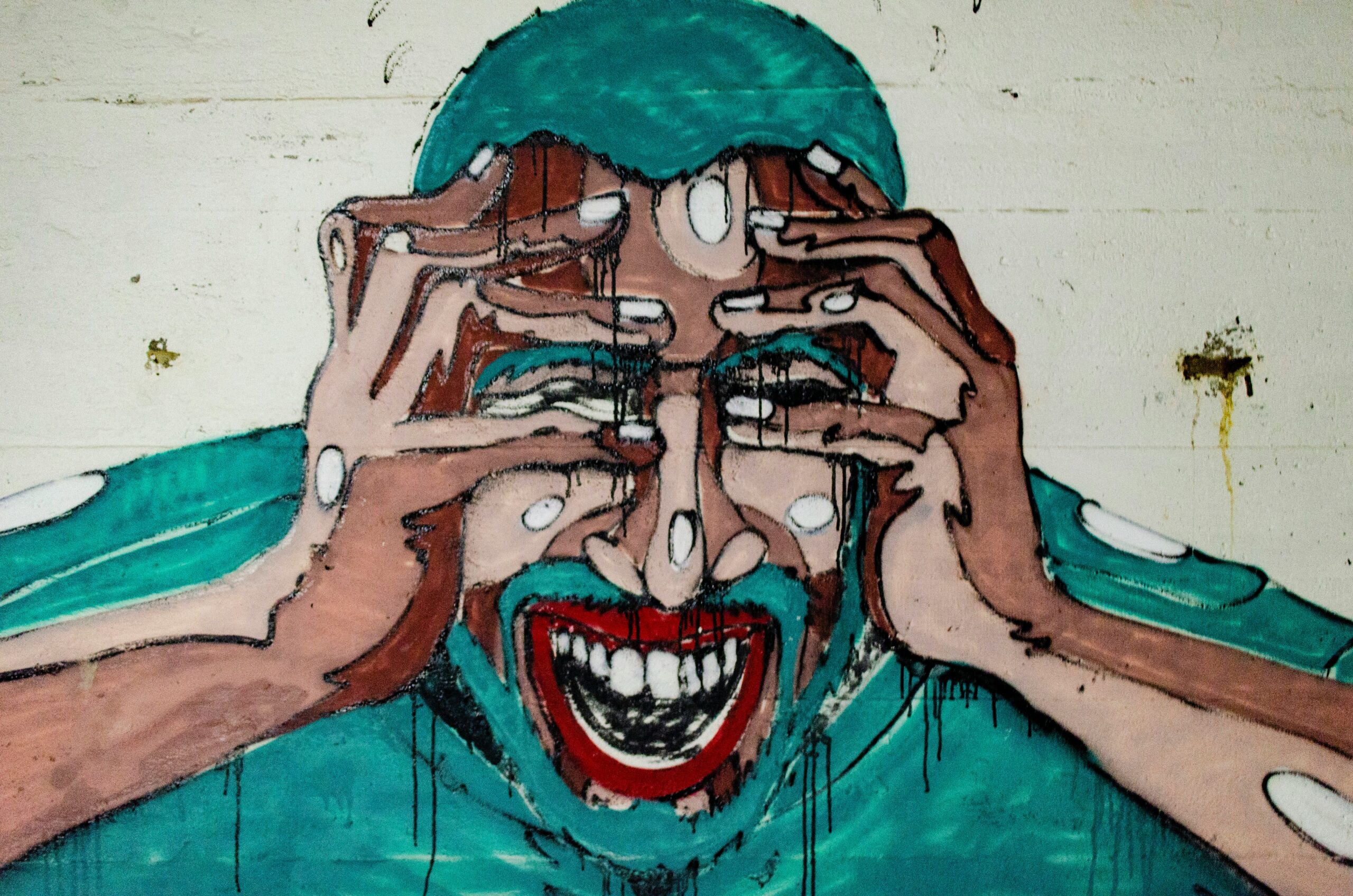
This is my idea of pure torture.
The problem is not talent. It’s responsibility.
This is why I don’t think the answer is simply to “hire better people.” You can have an excellent designer and an excellent developer and still end up with a mediocre final product.
The gap isn’t necessarily between good work and bad work. It’s between decisions.
The designer knows why the concept works. The developer knows what the browser can actually do. The producer knows the timeline. But if those three things aren’t being considered together, the project slowly accumulates compromises.
And compromises are difficult to see.
Nothing is obviously broken. The site works. The animation animates. The headline is technically readable. The mobile version exists. The client can approve it.
It’s just not quite the thing everyone approved in the first place. That’s a much harder problem to diagnose because nobody can point to one obvious failure and say, “That’s what went wrong.”
The build is part of the design.
I think this is one of the biggest misconceptions about digital design. We talk about design as if the creative work happens first and the build happens afterward.
But a website isn’t a static design that gets translated into code. The browser is part of the medium. Content changes, screens change, devices change, connections change and people interact with the site differently than they did in the prototype.
The design has to survive all of that.
That means the person making the creative decisions needs to understand what happens when those decisions meet reality. Not because designers need to become developers, but because someone needs to own the space between the two.
That’s the part that tends to disappear in a handoff.
Removing the handoff changes the work.
When the same person understands the concept and builds the site, the questions happen earlier. Is this interaction actually worth building? Does this headline still work when it wraps? What happens if the client adds a paragraph? Should this section have a fixed height, or should it grow with the content? Does this need to behave differently on mobile?
Those decisions don’t get thrown over the wall to someone else. They get made as part of the work.
That doesn’t mean every design decision survives unchanged. Sometimes the browser tells you something the prototype couldn’t. Sometimes the technically perfect solution isn’t the right one. Sometimes the original idea needs to change.
That’s not failure. That’s the work.
The goal isn’t to preserve the deck at all costs. It’s to preserve the thinking behind it while making something that actually works.
And if I’m working white-label, your client never has to know.
For agencies and creative directors, this is often the more important part. You don’t need another person appearing in your client’s inbox. You don’t need me joining calls, building a separate relationship with the client or creating confusion about who owns the work.
I work behind the scenes. Your name stays on it, your client relationship stays yours and your timeline is the timeline I’m working to.
You give me the direction, the concept and the constraints. I take it through the part where the idea has to become a real website.
Because the goal isn’t to insert another person into the process. It’s to remove the gap where good ideas tend to get lost.