Portfolio

CanAsia

CanAsia Game Summit needed a brand and a website ahead of its team's trip to Tokyo Game Show. I built the identity, the microsite, and the print materials that traveled with it.

CanAsia Game Summit is a Canadian B2B video game marketplace, presented by DigiBC and Creative BC inside Web Summit Vancouver in May 2027. Canada is seeking trade with trusted partners, and British Columbia is its gateway to Asia.

Creative technology is one of Canada’s fastest growing export sectors: 937 companies generating $5.5 billion in annual revenue and supporting 37,850 full time jobs, with 88% of that revenue earned from exports (CIAIC, 2023 to 24). British Columbia is a cornerstone of that story, with $2.3 billion in annual revenue across 250+ studios employing 16,000+ professionals.

CanAsia is the merged evolution of Signals’ Beta Lounge and XP Indie Games Biz now stepping onto Web Summit’s stage. Alongside a tech audience of 20,000 and 15,000+ arrivals expected into Vancouver that May, it gives Asian partners a B2B alternative to GDC, and a permanent trade corridor between Asia and North America.

Check it out

Challenge

DigiBC needed a website for CanAsia Game Summit, a new Pacific Rim B2B marketplace for games and interactive media launching inside Web Summit Vancouver in May 2027. The ask, in their words, was simple. They needed a microsite. What that actually meant was much bigger.

CanAsia had no visual identity of its own. The plan on paper was to borrow DigiBC’s existing brand kit and call it done. It had a real, ticking deadline too. BC’s largest ever delegation was flying to Tokyo Game Show that September, and they needed something credible to put in a publisher’s hands, not a placeholder page living inside another organization’s website.

It also had more than one audience to win over at once. International dealmakers deciding, in seconds, whether this was worth a flight to Vancouver. Funders and government partners deciding whether to back a brand new event with no track record yet. And the people back home who had to believe in it enough to help build it. A brand new event has no proof it works yet, so the site had to work as an invitation and a pitch at the same time.

The client knew they needed a site. They didn’t yet know what that site needed to say, look like, or do. That gap was the actual project.

They didn't need a website. They needed a reason for a stranger in Tokyo to take the flight seriously.

Solution

The most fun part of the project was the creative concept, because it let the site say something without ever saying it. The entire point of CanAsia is to get someone on a plane to Vancouver, but no B2B trade site can say that outright without sounding like a sales pitch. So instead of saying it, the site shows it. Every scroll through the hero is a plane window, and the view on the other side of that window changes as you scroll: Tokyo, Seoul, Taipei, Singapore, Ho Chi Minh City, then Vancouver itself. You are looking out at exactly the countries this event is trying to bring together, from a seat on the exact trip it wants you to take. Nobody has to be told to buy a ticket. The page is already showing them the view.

Because of the timeline, this first version of CanAsia leaned on DigiBC’s existing brand system rather than building an entirely new one from scratch, and that was the right call, not a shortcut to apologize for. CanAsia is a brand new event with no track record yet, and it needed to exist convincingly before it could afford to exist expensively. The creative concept and the Design Guidelines page are what make it feel like its own thing anyway, and they are the foundation the identity keeps building on as the event grows. This is the start of CanAsia’s own brand, not the end of it.

I built a full Design Guidelines page as the one place the client’s own team could always point to for the correct logo file, colour value, or type rule. No more guessing, no more Slack threads asking which blue is the real blue.

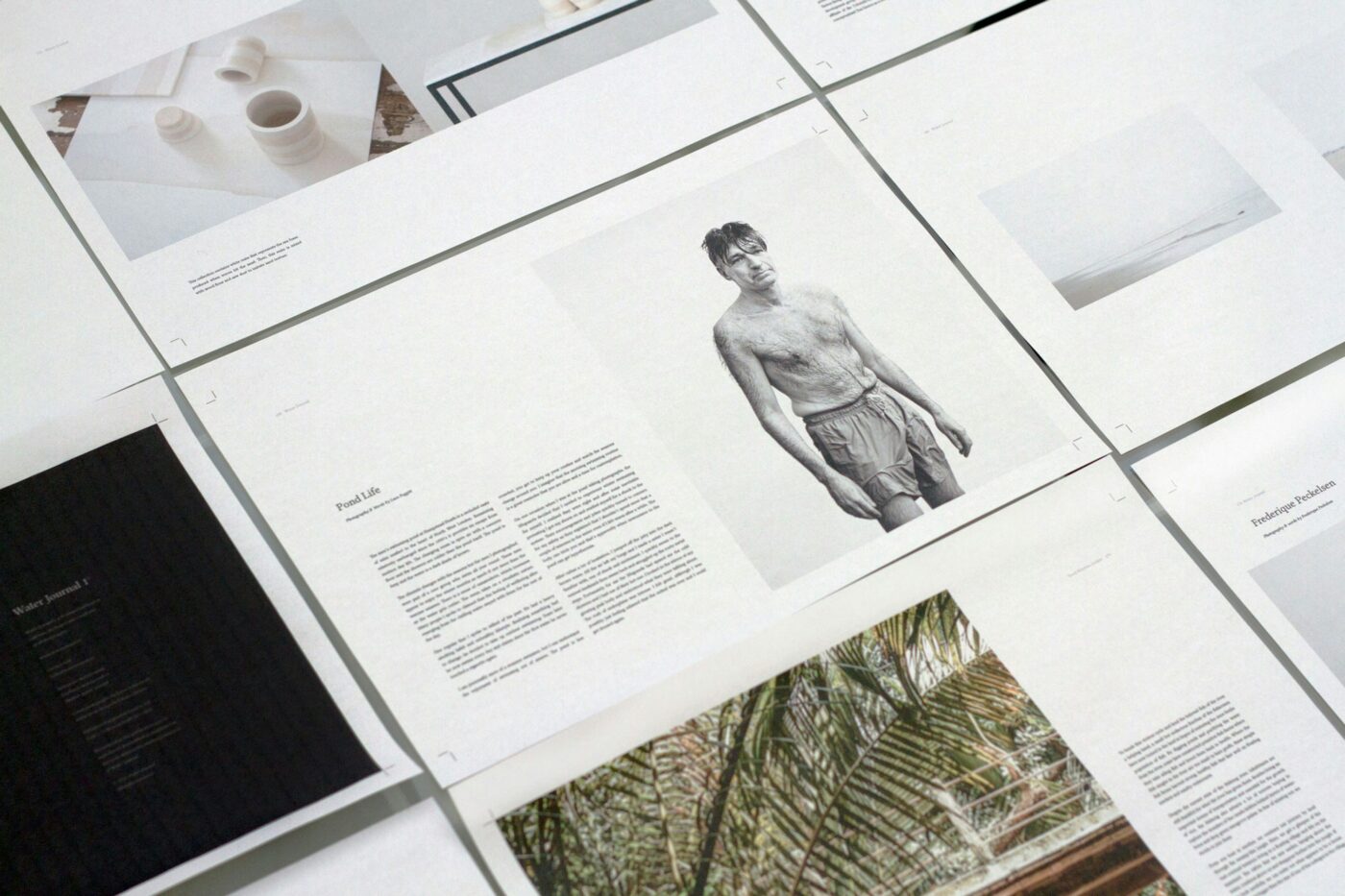
The site itself is a standalone, custom built WordPress theme, no page builder, no plugin bloat, with every section editable through WordPress’s own admin so DigiBC’s team can add a partner logo, a news post, or a delegation without calling a developer. And because the brand now existed as a real system and not just a website, it traveled. The same guidelines shaped a set of printed postcards handed out at Tokyo Game Show, so the first thing a publisher saw on the show floor and the site they visited afterward were unmistakably the same event.

Underneath the parts a visitor never consciously notices, page speed, mobile layout, search visibility, and a translated experience ready for Japanese, Korean, and Chinese speaking visitors, got the same attention as the parts they do.
Result

CanAsia went from a single unbranded placeholder page to a fully custom, fully editable microsite with its own identity, live ahead of the fall 2026 trade circuit including Tokyo Game Show, a Canadian trade mission to China, BC Week in Asia, and G-Star, and built for the exact international, mobile first audience it needs to reach.

More importantly, the client got clarity and a foundation they didn’t have at the start. A brand system confident enough to hand to a print shop as easily as a browser, a creative concept doing the work of a sales pitch without sounding like one, and a site built to grow into whatever CanAsia becomes next, including its own identity once there is time and budget for it, new pages, new languages, new partners, and the funders and people it still needs to bring in behind it.

More Work

More projects

View all projects
Let's talk

If you're trying to make something clearer or more cohesive or more useful, let's talk.

Book a discovery call