
← All writing
A wall of stacked vintage hardcover books, spines facing out — well-worn, all colours, the kind of foundational library that outlives every shelf it sits on.

The platforms change. The fundamentals don't.

Every two or three years, a new platform arrives with the same energy.

This is the future. This changes everything. Learn it now or get left behind.

I've heard that pitch about Flash, Drupal, custom CMSes, Squarespace, WordPress, the headless wave, and now AI-native tools. Some of them did change things, for a while. Most of them got replaced by the next thing that arrived with the same energy.

The pattern repeats often enough that I've stopped paying attention to the urgency. What I pay attention to instead is what doesn't change.

What I've watched go wrong
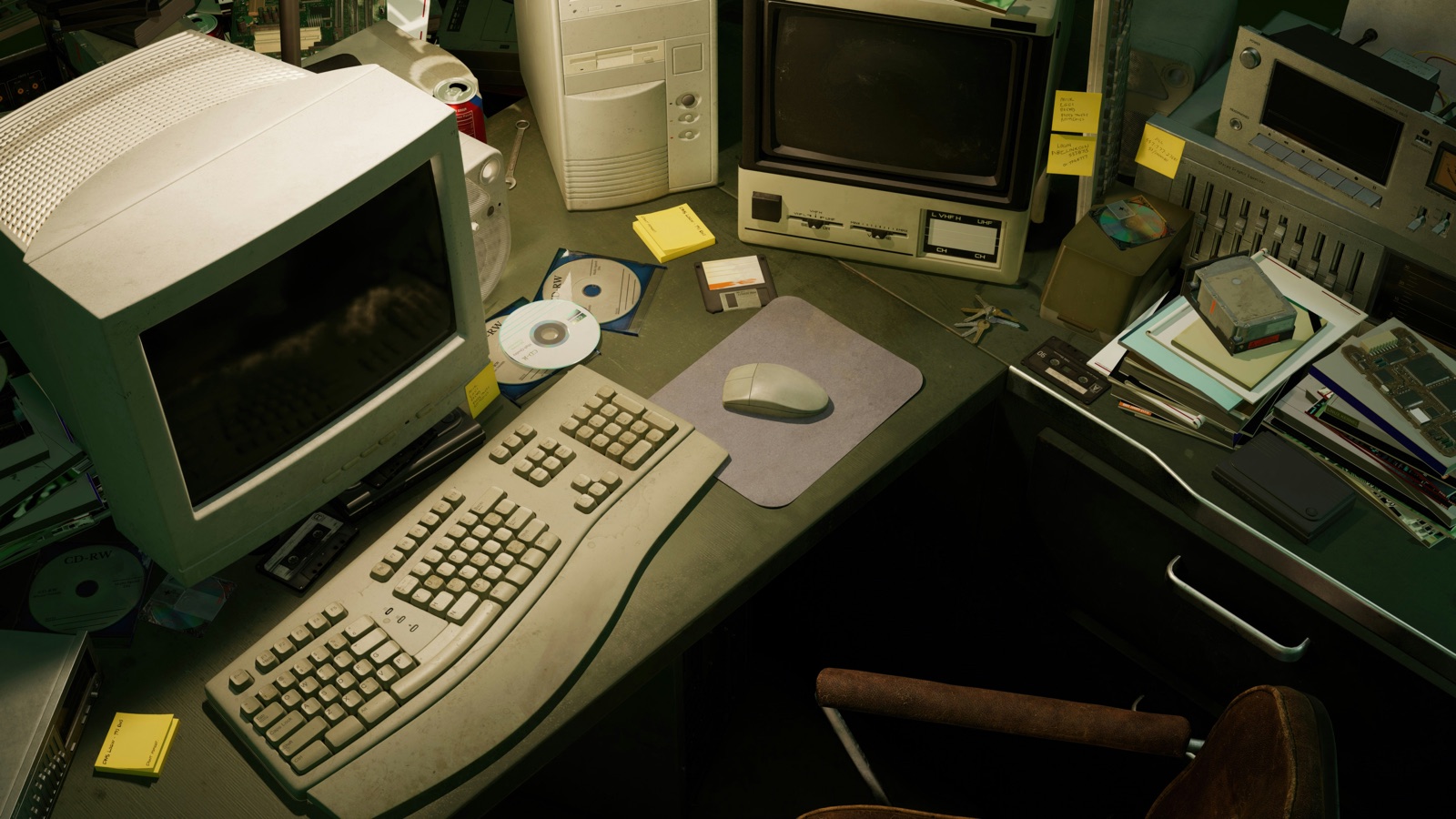
A row of vintage CRT monitors, beige towers and ergonomic keyboards on a cluttered desk — the kind of setup that was the future for about three years.

I've watched teams rebuild their entire online presence three times in a decade because they kept chasing the platform instead of building the foundation underneath it. Each rebuild started from scratch. Each one repeated the same conversations about voice, about hierarchy, about what the content was actually trying to do. Each one cost more than it should have, because none of the thinking carried forward.

The platforms weren't the problem. The problem was that nothing underneath them was solid enough to survive the move.


What actually holds up

Through every platform shift I've watched come and go, four things stay the same.

Clear Design Guidelines. Not a style guide that lives in someone's drawer. A working reference with documented tokens, type rules, component logic, and voice principles, written down clearly enough that the next person in can use it without guessing.

Sensible information architecture. Content organized around what people are actually trying to do. Not around how the org chart is structured. Not around how the previous CMS happened to work.

Content that knows what job it's doing. Every page, every section, every block earning its place. Not filling space because the template had a slot for it.

Brand voice documented well enough that anyone can use it without breaking the system. A new hire. A freelancer. A custom GPT. Specific enough to be usable. Defined enough to hold up when the person who built it isn't in the room.

These four things hold up regardless of where the work gets built next. They're what let you change platforms without starting over. They're what makes a redesign an evolution instead of a rebuild. They're also what plug into AI tools, when those become part of how the team works. Same foundation, more layers on top.

A long scrolling preview of the Lara Kroeker Interactive Design Guidelines page — philosophy, mood, icons, illustrations, type families, hierarchy, neutrals, full palette, elevation, spacing, border-radius, button variants, content cards, badges, inputs, all documented in one working reference.

What this means for how I work

The work I do today is built on the same fundamentals it was built on twenty years ago. The job they have to do has expanded. The fundamentals themselves haven't moved.

When I take on a new client, the conversation starts there. Not with what platform we'll use. Not with which tools to consider. With what foundation needs to be in place so that whatever we build will still be useful in five years.

Sometimes that means rebuilding the Design Guidelines before the site. Sometimes it means restructuring the information architecture before any new pages get added. Sometimes it means documenting the voice properly so the team can stop guessing every time they write something. The work looks different from one client to the next. The reasoning underneath it is the same.

Six adjacent panels labelled Layout, Typography, Motion, Photography, Icons, Colors — the six pillars of a working Design Guidelines.

The part worth investing in

If you're trying to decide where to put your budget, my advice is to put it underneath the platform, not on top of it.

Not the platform of the moment. Not the tool that's getting attention this quarter. The foundation that carries forward when the platform changes again, because it will.

That's the part of the work that holds up. That's the part worth investing in.